Lane Positioning for Two-Wheelers
8 AM in Delhi traffic. A motorcyclist hugging the extreme left edge of the lane clips a loose drain cover — the bike wobbles violently. He corrects but drifts right, crossing the painted white lane line into the path of a fast car. Two errors compounded: wrong position in the lane, then crossing a slippery white line while already in a wobble. Both were avoidable.
Where to Position Your Two-Wheeler in the Lane
The extreme left edge of a lane is the most dangerous position for a two-wheeler. The road edge accumulates debris, loose gravel, oil deposits and drain covers — all hazards that can cause a fall at low speed. The correct position for a motorcycle or scooter in normal conditions is left-centre: roughly one-third from the left edge of your lane. This position gives you space to manoeuvre left if needed, keeps you visible to following traffic, and avoids the worst road surface hazards concentrated at the gutter.
The extreme left edge of Indian roads is where drain covers sit, loose gravel collects, oil from parked vehicles accumulates, and road edge deterioration begins. Two-wheeler tyres have a narrow contact patch — any of these surfaces can cause an immediate loss of grip, especially in rain. Drain cover metal is extremely slippery when wet. Stay in the left-centre of your lane, not at the gutter.
Weaving between lanes without signalling — moving in a zigzag pattern to exploit gaps — is illegal and one of the leading causes of two-wheeler crashes in urban traffic. Other vehicles cannot predict your position. Car doors may open into your path. Weaving puts you simultaneously in multiple vehicles' blind spots. Ride with a consistent, predictable path in one lane.
White Lines — Especially Dangerous in Rain
Painted road markings (lane dividers, pedestrian crossings, stop lines, arrows) become extremely slippery in rain. Two-wheeler tyres crossing a white line in wet conditions can lose grip suddenly, particularly while banking in a turn or while braking. Cross white lines when your wheels are upright and you are not simultaneously braking. At traffic signals, stop before the white stop line — not on it.
At signalised intersections, two-wheelers should queue in the left lane or in designated two-wheeler advance zones where marked. Do not filter between stopped trucks and buses to reach the front of a queue — their blind spots extend directly beside them. If you do reach the front, stop well ahead of any large vehicle's front bumper: the truck driver may not be able to see you through the windscreen at close range.
Normal riding: left-centre of your lane. Turning right: move progressively toward the right portion of your lane well in advance of the turn, with early signalling. At surface hazards (drain cover, pothole): staying in left-centre gives you space to adjust right if needed. Following a large vehicle: position slightly right of their wheel track so you can see ahead and are visible in their mirrors. Changing lanes: mirrors, signal, blind-spot check over shoulder, then move smoothly.
Indicators — Non-Negotiable on Two-Wheelers
Two-wheelers are small and easily overlooked by other road users. Use indicators for every lane change and every turn — even on quiet roads and familiar routes. Activate the indicator at least 3–4 seconds before the manoeuvre, not during it. Cancel the indicator after completing the move — many two-wheeler indicators do not self-cancel, and a perpetually indicating bike misleads every driver around you.
Signs Relevant to Two-Wheeler Positioning
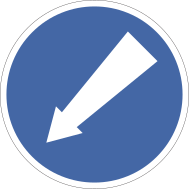
Keep Left
Blue circle with white arrow pointing left — blue means positive instruction, not prohibition.
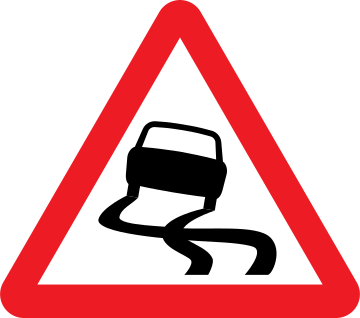
Slippery Road
Triangle with car and wavy lines — the car is literally sliding on the sign.
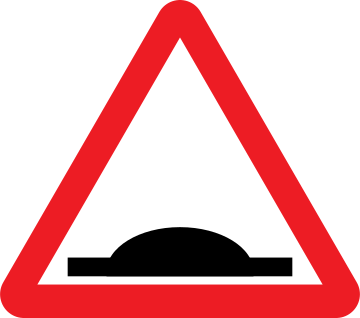
Hump / Speed Breaker Ahead
Triangle with a bump shape — the sign is shaped like the hump itself.
What is the recommended lane position for a motorcycle under normal traffic conditions?
Tap an option to reveal the answer
- ✓Ride in left-centre of your lane — the extreme left edge has drain covers, debris and oil patches.
- ✓White lines are slippery in rain — cross them with upright wheels, not while banking or braking.
- ✓Never weave between lanes without signalling — it puts you in multiple blind spots simultaneously.
- ✓At signals, use the left lane or two-wheeler zone — avoid filtering beside trucks and buses.
- ✓Use indicators for every lane change and every turn — cancel them after the manoeuvre is complete.
Previous
Helmet Law — ISI Mark, Fit & the 3-Month DL Suspension
Next
Pillion Safety — Load, Balance & Mandatory Helmets
Lawful provides legal information, not legal advice.